Technology | Emerging EMS Company Targets Japanese Customers Through Hakuto
Partnership with Hakuto
Q: You signed a distribution agreement with Hakuto in August.
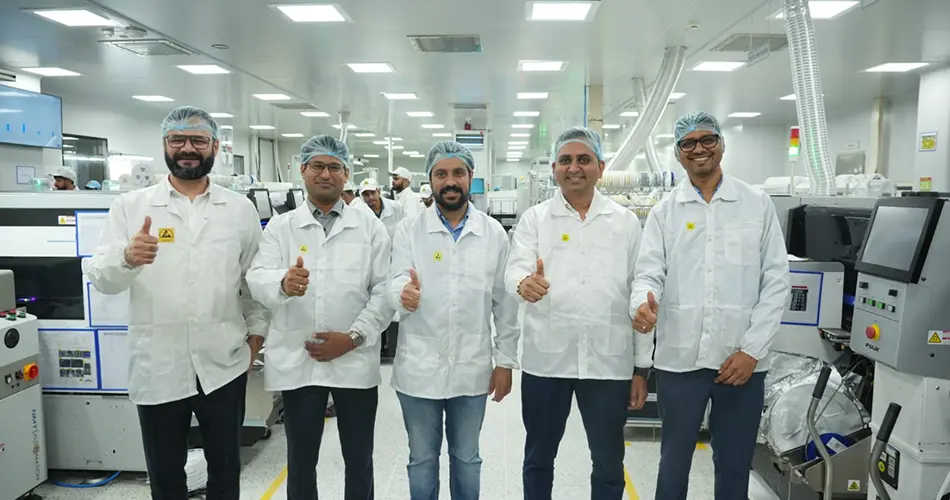
A: We have entered into a strategic partnership with Hakuto, which will serve as Rapidise’s distributor in Japan. This partnership is helping us develop customers in the Japanese market. We are also considering ways to deepen our relationship with Hakuto. We currently do business in India with five to six Japanese companies, mainly in the automotive industry, and are in discussions with several other Japanese companies.
Expanding the Japanese customer base
Q: You are focusing on expanding your customer base among Japanese companies.
In the 2025/26 fiscal year (April 2025–March 2026), approximately 80% of total revenue was generated by Japan-related clients. Through business diversification and the acquisition of clients in other markets, this share is projected to fall to about 40% in the 2026/27 fiscal year. Revenue for 2026/27 is expected to reach approximately 10 billion rupees (about 16.6 billion yen), with about 4 billion rupees of that total projected to come from Japan-related business.
Why Japanese customers choose Rapidise
Q: Japanese companies already have supplier networks in China and Taiwan. Why have you been able to win their business?
Japanese companies and their suppliers are increasingly considering manufacturing in India instead of importing products from Japan or China. Camera modules and displays, for example, offer considerable scope for local production in India. Rapidise is also considering introducing camera manufacturing in India. Demand for cameras in the Indian automotive market is very high, and we see an opportunity to replace imports with local manufacturing.
Entry into semiconductors
Q: India’s semiconductor industry is growing. Are you collaborating with Japanese companies in this field?
A: There are significant business opportunities in semiconductors. We have begun work in areas such as chip design and performance testing. Our long-term goal is not merely to provide engineering support to semiconductor companies, but also to create intellectual property (IP) that supports semiconductor manufacturing in India. We are already collaborating with several semiconductor companies, including Japanese companies.
Information Technology | One-Stop Contracting from Design: Rapidise Targets Japan
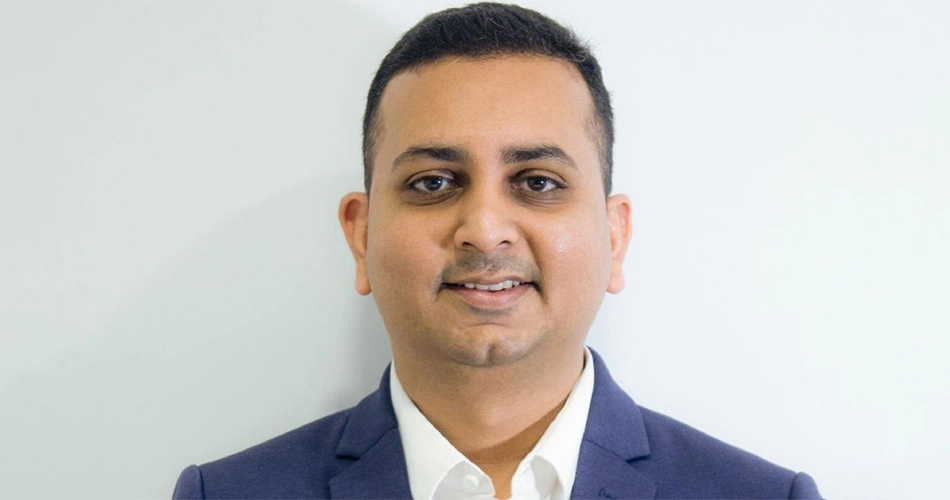
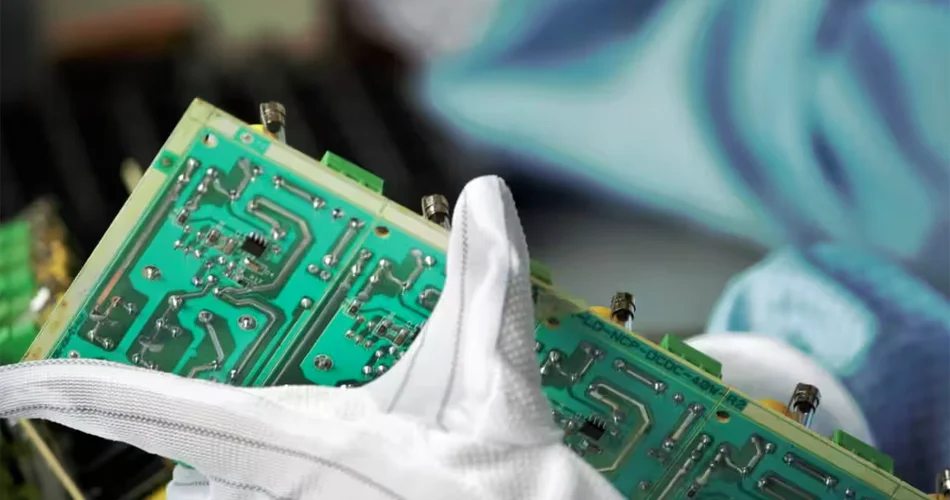
India-based emerging electronics manufacturing services (EMS) provider Rapidise Technology is distinguished by its ability to handle the entire process, from design and prototyping through testing and mass production, rather than manufacturing alone. Founder and CEO Brijesh Kamani says the company is India’s first original design manufacturer (ODM) for electronics. It plans to invest up to INR 2.2 billion (approximately JPY 3.7 billion) over the next three years to capture growing demand for local manufacturing in India. Interviewer: Atul Ranjan.
Rapidise’s EMS business and integrated capabilities
Rapidise was established in 2024 and began manufacturing operations in 2025. Like major global ODMs such as Taiwan’s Foxconn, it aims to combine design and manufacturing capabilities. Based on customer requirements, the company provides a one-stop service covering design, validation, testing, certification and mass production.
Investment to date totals approximately INR 1.1 billion, funded entirely by the founders. The company employs around 1,500 people, of whom approximately 400 work in its research and development (R&D) division in Ahmedabad, Gujarat.
Rapidise operates two factories in Manesar, Haryana, in northern India. It is also developing a new factory in Noida, Uttar Pradesh, dedicated to camera-module manufacturing, while expanding its existing Manesar facilities. At one Manesar factory, it plans to introduce surface-mount technology (SMT), automated manufacturing systems and digital technologies to increase output and enable production of more complex electronic devices. It plans to invest approximately INR 2.0–2.2 billion over the next three years for this expansion.
Its current product sectors include automotive, home appliances, telecommunications, security, networking and computing, healthcare and agriculture. In automotive, it focuses mainly on display- and camera-related products. The company intends to increase production capacity and pursue opportunities in railways and defence as well.
Why establish an ODM company in India?
Q: What was the reason for establishing an ODM company in India?
The “China Plus One” strategy pursued by global companies—establishing manufacturing bases outside China and reducing supply-chain dependence on China—is benefiting Rapidise. The Indian government’s promotion of domestic manufacturing is also encouraging customers to consider Indian suppliers.
Advantages of choosing an Indian ODM rather than China
Q: What are the advantages of engaging an Indian ODM instead of a supplier in China or elsewhere?
Japanese companies and their suppliers are increasingly considering manufacturing in India instead of importing products from Japan or China. Camera modules and displays, for example, offer considerable scope for local production in India. Rapidise is also considering introducing camera manufacturing in India. Demand for cameras in the Indian automotive market is very high, and we see an opportunity to replace imports with local manufacturing.
Other News